Parking's Role in Smart Cities
Posted: July 29, 2026 10:00 AM ET • 5 min read
Parking Becomes Part of the Smart City Ecosystem
As cities continue to grow, so do the expectations of the people who live, work, and travel within them. Today's citizens expect the same seamless, connected digital experiences from public infrastructure that they expect in every other aspect of their lives. Whether using public transit, charging an electric vehicle, finding parking, or paying through a mobile app, convenience, real-time information, and frictionless experiences have become the new standard.
This shift is driving the evolution of the smart city, where connected systems, real-time data, and digital services improve how people move, access services, and interact with the urban environment. The goal is not technology for its own sake, but creating a more efficient, accessible, and responsive city experience while helping municipalities better manage growth, congestion, sustainability, and public resources.
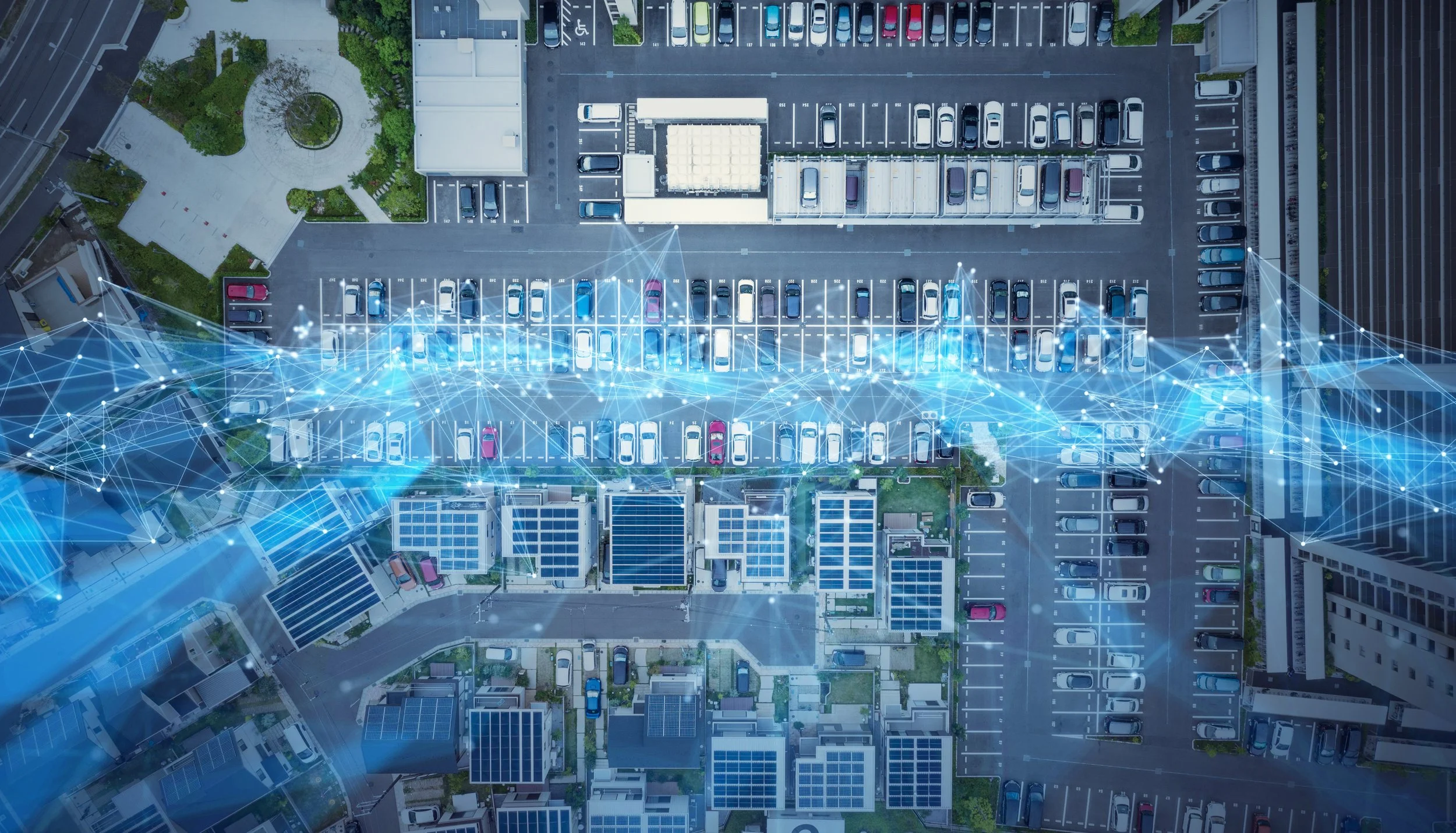
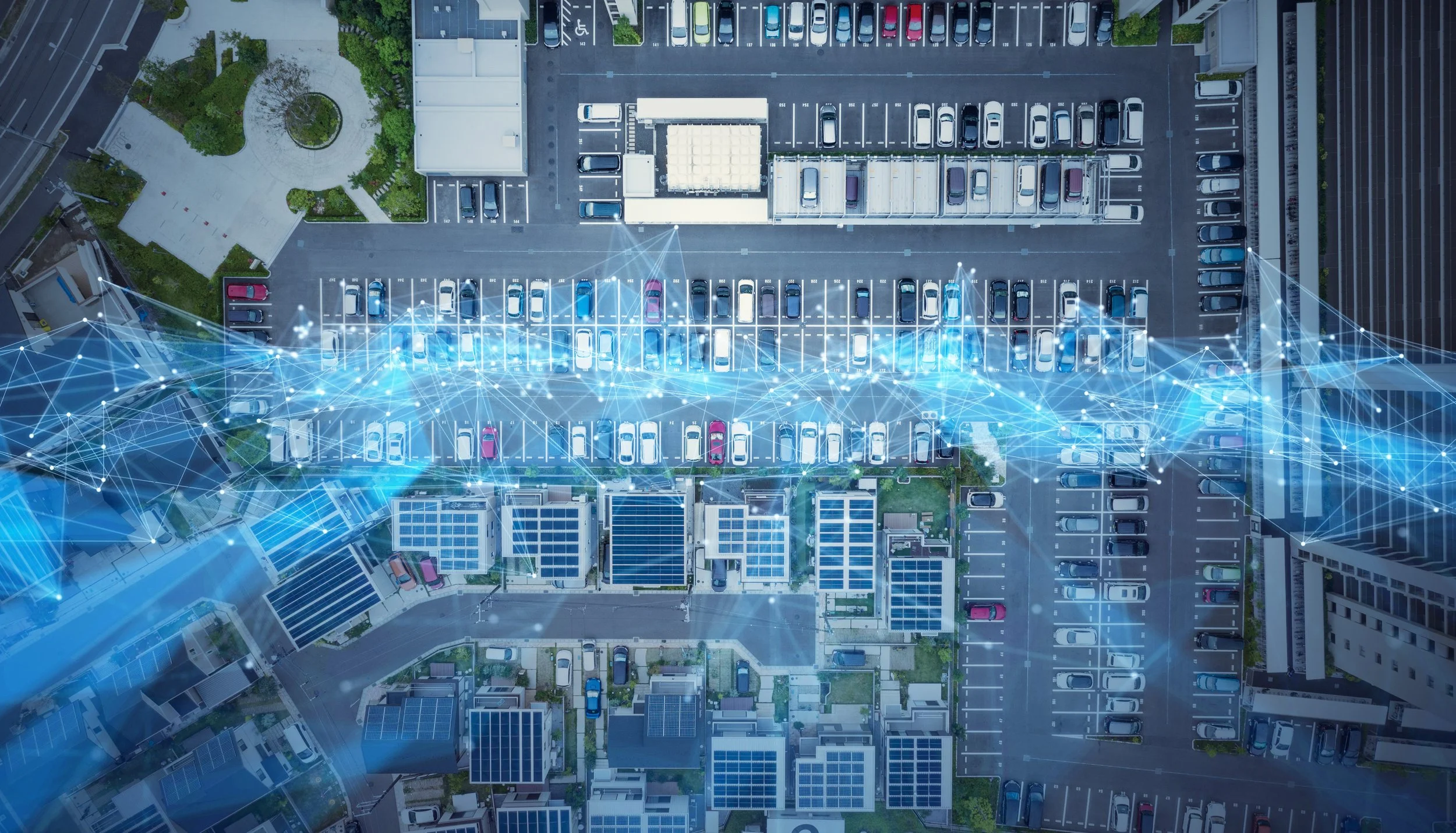
Building a smarter city requires improvements across the entire urban ecosystem. Transportation, public transit, traffic management, curbside infrastructure, and parking all contribute to how efficiently a city functions. As these systems become increasingly connected, parking is no longer viewed as a standalone service—it has become an essential part of the broader urban mobility ecosystem. Through real-time occupancy data, mobile payments, sensors, license plate recognition, and integrated parking technologies, parking systems now support smoother journeys for drivers while providing valuable insights that help cities make better planning and operational decisions.
For parking owners, operators, and municipalities, this represents an opportunity to move beyond managing spaces and become active contributors to building smarter, more connected communities.
What Makes a City Smart? Understanding Connected Cities
A smart city uses technology, connected infrastructure, and data-driven decision-making to improve quality of life and deliver better public services. Rather than operating as isolated systems, transportation, utilities, public spaces, and municipal services increasingly work together to create a more connected urban experience.
Parking plays a critical role within this ecosystem. Every parking transaction, occupancy update, and vehicle movement generates valuable data that helps cities better understand travel patterns, improve accessibility, and make more informed infrastructure decisions. When integrated with broader mobility systems, parking becomes more than a destination—it becomes an intelligent component of how cities move people efficiently.
As connected technologies continue to evolve, parking is becoming one of the foundational component of smarter, more responsive cities.
Smart Parking: Connecting Infrastructure, Data, and Urban Mobility
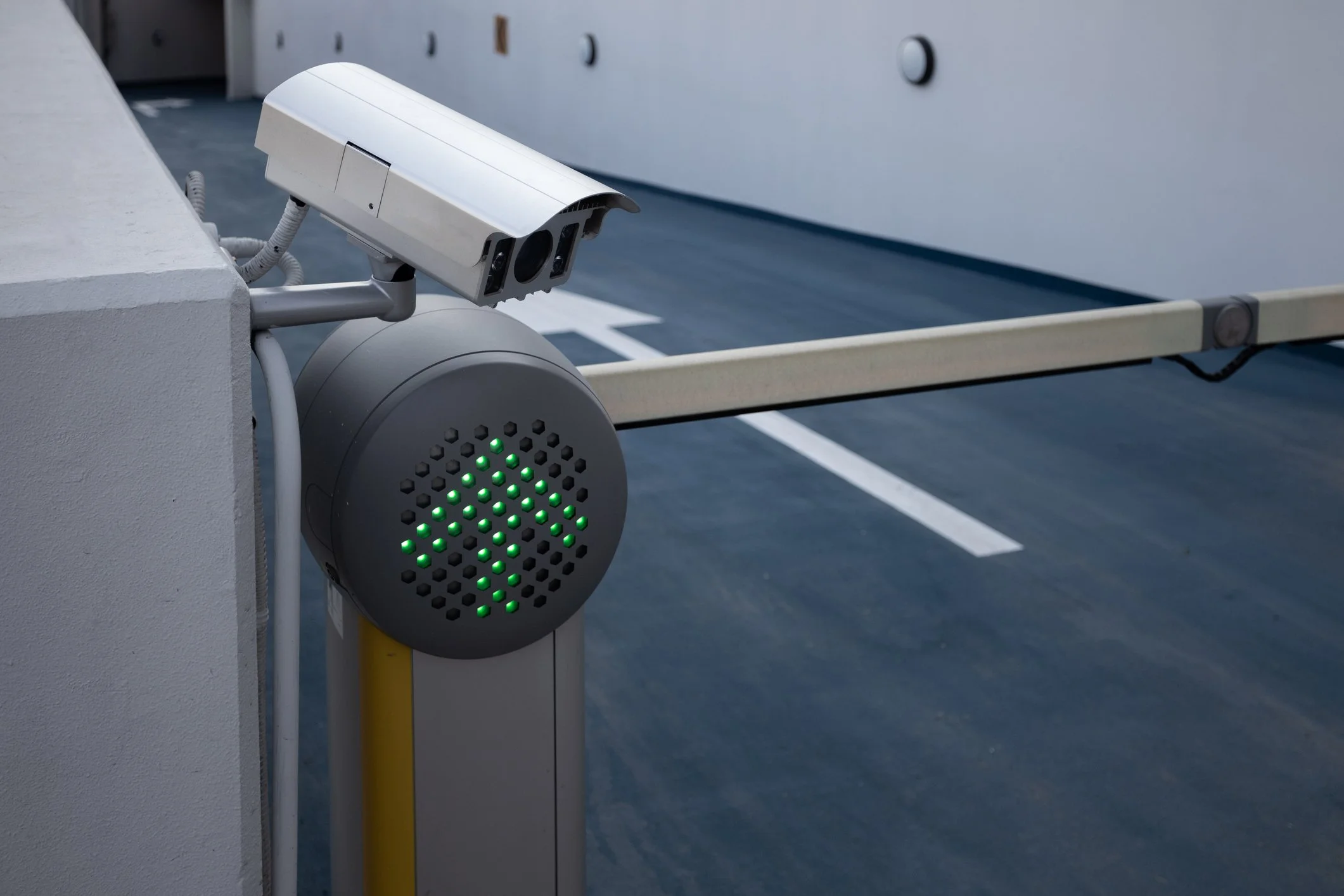
By combining sensors, cameras, mobile applications, license plate recognition, payment platforms, and cloud-based management software, modern parking systems provide real-time visibility into parking availability while generating valuable operational and mobility data. For parking owners and operators, the value extends well beyond day-to-day operations. Occupancy, turnover, demand, and utilization data help organizations optimize parking assets while providing municipalities with insights to support future transportation planning and infrastructure investment.
Improving Mobility: Reducing Congestion and Supporting Connected Transportation
Parking has a direct impact on the experience visitors, tenants, employees, and customers have when arriving at a property. Drivers who struggle to find available parking or navigate large facilities often experience frustration before they even reach their destination. Smart parking systems improve the arrival experience by providing real-time parking availability, digital way-finding, and clearer guidance to available spaces, helping visitors reach their destination more quickly and with greater confidence.
For property owners and parking operators, this creates a more efficient and user-friendly parking experience while reducing bottlenecks at entrances, minimizing unnecessary circulation within parking facilities, and improving overall traffic flow on-site. The result is a smoother customer journey, greater operational efficiency, and a parking experience that reflects the quality of the property itself.
Parking also plays an important role in supporting multimodal transportation. Park-and-ride facilities, integrated payment systems, and real-time occupancy information help commuters move seamlessly between personal vehicles, public transit, cycling, ridesharing, and other mobility services. Rather than serving as isolated destinations, parking facilities are becoming connected mobility hubs that improve the overall transportation experience.
Supporting Sustainability Through Smarter Parking
As cities work toward sustainability goals, parking plays an important role in reducing the environmental impact of urban transportation. Helping drivers find available parking more quickly reduces unnecessary vehicle circulation, lowering fuel consumption, emissions, and congestion.
Smarter parking also enables more efficient use of existing parking infrastructure. Better visibility into occupancy and demand helps municipalities and property owners maximize existing parking assets before investing in new infrastructure.
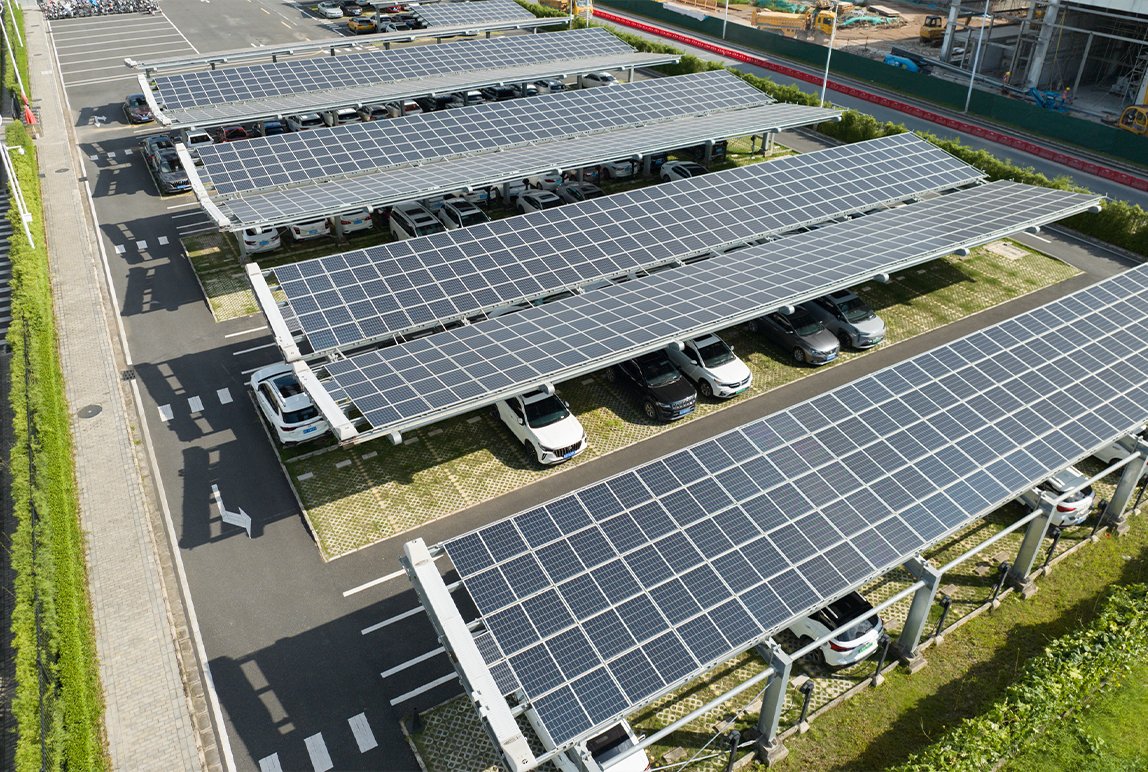
As electric vehicle adoption continues to grow, parking facilities are becoming critical components of the charging ecosystem by integrating EV charging infrastructure with digital payment, reservation, and management platforms that improve both operational efficiency and the driver experience.
Smart Parking in Practice
Across Canada, municipalities, airports, healthcare campuses, universities, commercial properties, and mixed-use developments are increasingly integrating smart parking technologies into broader digital transformation initiatives. Connected parking systems, real-time data, digital payments, and intelligent management tools are helping organizations improve operations while delivering better experiences for the drivers, visitors, tenants, and customers.
Smart cities aren't built through a single innovation—they're built by connecting the systems people rely on every day. Parking is one of the most important of those systems. As expectations for seamless, connected experiences continue to grow, parking is evolving from a standalone service into strategic infrastructure that supports mobility, informs better decision-making, and enhances how people experience the built environment. Organizations that invest in smarter parking today are helping shape the connected communities of tomorrow.
Challenges and the Future of Smart Parking
Like any connected infrastructure, smart parking requires thoughtful planning and ongoing investment. Data privacy, cybersecurity, interoperability between technology platforms, and long-term system scalability all play important roles in building successful smart parking ecosystems. Collaboration between municipalities, technology providers, and parking operators is essential to ensuring data can be shared securely while delivering meaningful value to users.
Looking ahead, artificial intelligence, predictive analytics, connected vehicles, and integrated mobility platforms will continue to reshape the role parking plays within Canada's transportation ecosystem. As transportation systems become more connected, parking will play an even greater role in helping people move efficiently, supporting data- driven planning, and improving the overall urban experience.
For parking owners, operators, and municipalities, smart parking is no longer simply an operational enhancement—it is a strategic investment in the future of connected, sustainable, and people-focused cities.
References
Al-Turjman, F., & Malekloo, A. (2019, August). Smart parking in IOT-enabled cities: A survey. Science Direct.
https://www.sciencedirect.com/science/article/abs/pii/S2210670718327173
Burbano, L. (2021, August 17). What is a smart parking system? functionalities and benefits. Tomorrow City.
https://www.tomorrow.city/smart-parking/
Doppler, T. (n.d.). Parking: The Heartbeat of Smart Cities. SKIDATA.
https://www.skidata.com/skidata-blog/smart-parking-solutions-for-smart-cities
Evaluation of the Smart Cities Challenge and the Smart Cities Community Support Program. Government of Canada. (n.d.).
https://housing-infrastructure.canada.ca/pd-dp/eval/eval-report-rapport-scc-dvi-eng.html
Humphries, D. (2023). Smart Parking Systems. EBSCO.
https://www.ebsco.com/research-starters/architecture/smart-parking-systems
Share Article:
Featured Articles







ABOUT THE AUTHOR


Account Executive
As an account executive, Terry is responsible for the sale of equipment, applications, and services on behalf of Precise ParkLink. He regularly meets with his clients to understand their challenges and design solutions that leverage our strengths to address their concerns and maximize their revenues.
With nearly a decade of parking industry experience with Precise ParkLink, Terry has developed an in-depth knowledge of several verticals as well as effective management techniques and equipment solutions to increase client profitability. What’s more, he continually adds to his own knowledge base through his membership in the Ontario Traffic Council, the Canadian Parking Association, the Building Owners and Managers Association, and the Airport Managers Council.
Before joining Precise ParkLink in 2011, Terry had already built a four-decade-long career in technology sales and application solution design. After studying drafting at Conestoga College, he went on to become heavily involved in the construction business, especially in the areas of estimating and implementing projects. With his naturally technically inclined mind, Terry has also become proficient in central office phone and data exchanges, PBX equipment, and satellite and data networking solutions, and he is the joint holder of a patent for an electronic diagnostics system for air brakes — if it has to do with technology application solutions, Terry has mastered it.
Questions?
Fill out the form below and we will do our best to connect you with a suitable contact.
2 min read
In an increasingly digital world, pay-per-click (PPC) advertising has emerged as a practical tool for parking facility owners and managers to increase visibility, drive traffic, and grow revenue.