
License Plate Recognition (LPR) for Parking
Posted: July 29, 2026 10:00 AM ET • 5 min read
License Plate Recognition (LPR) for Parking
License plate recognition (LPR) is transforming the parking industry by automating access, reducing manual processes, and eliminating the need for physical tickets or access cards. By using a vehicle's license plate as a digital credential, LPR improves traffic flow, strengthens parking enforcement, and enhances the overall customer experience.
What is License Plate Recognition?
Automatic license plate recognition (ANPR) captures images of vehicle license plates and converts them into machine-readable data. This information is compared against a secure database to verify authorized access, permits, payments, and parking activity.
When integrated with a parking management system, LPR automates permit verification, payment tracking, vehicle monitoring, and access control. The result is faster, more accurate operations with minimal human intervention.
How Does LPR Work?
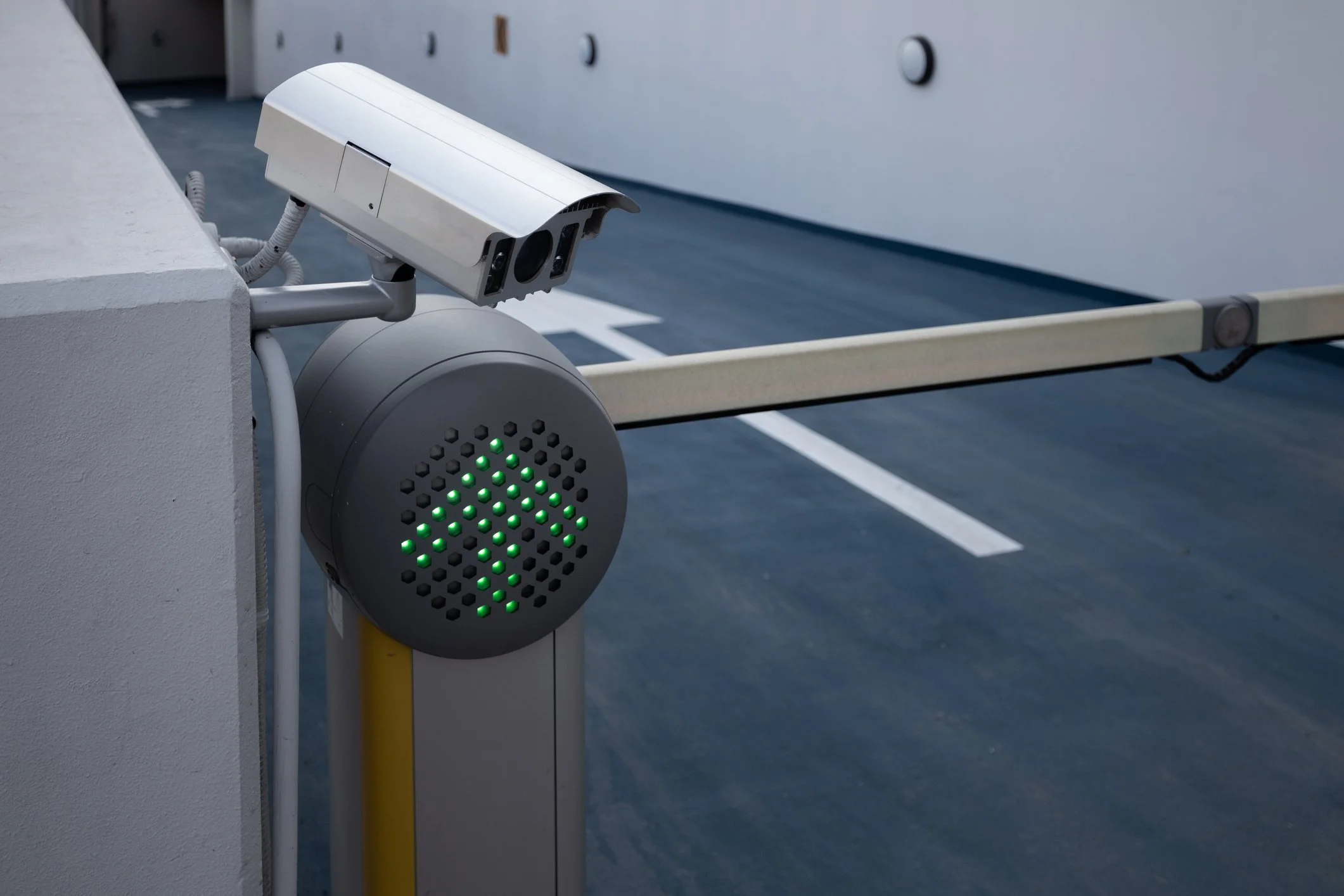
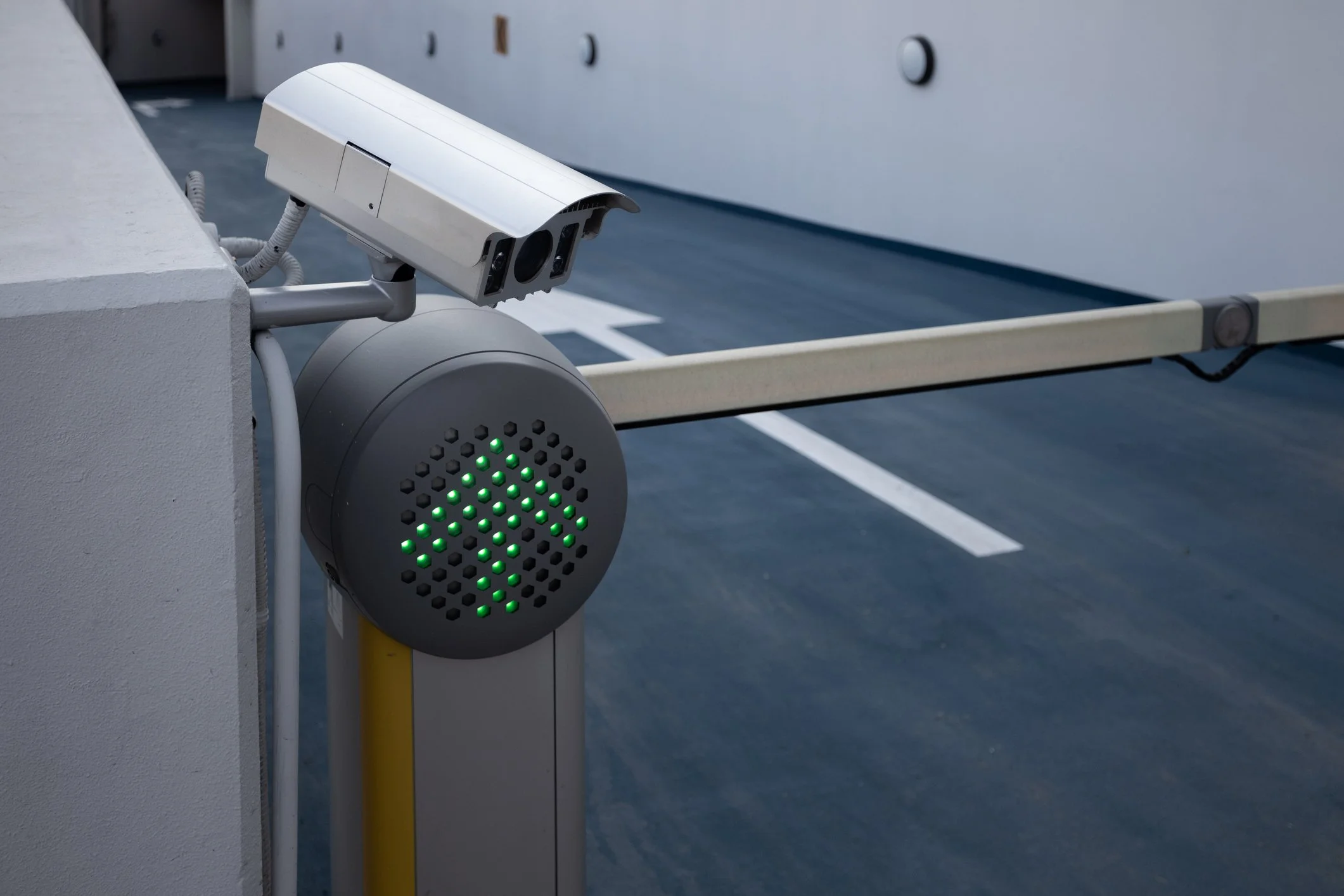
As vehicles approach a parking facility, LPR cameras capture license plate images using infrared lighting to handle glare, rain, and harsh weather. Artificial intelligence and optical character recognition identify the letters and numbers in milliseconds.
The system then verifies authorized vehicles, validates credentials, records entry and exit times, and automatically opens gates or processes digital payments in seconds with zero manual intervention.
Automated Access Control
LPR eliminates tickets and key cards by automatically identifying vehicles at entry and exit points. Operators can program access lists for employees, contractors, and VIPs, while blocking unauthorized or non-paying vehicles instantly.
Real-time alerts notify property managers of specific plates or tailgating incidents. This removes friction and reduces congestion at facility gates.
Monthly Parking Management
For monthly subscribers, LPR streamlines vehicle access entirely. Registered vehicles enter without delays or verification steps.
Subscribers can independently update their vehicle details through an online portal and instantly transfer access to a new license plate—no new physical pass required. This reduces administrative overhead and improves convenience.
Parking Enforcement
LPR gives operators real-time visibility into vehicle activity, making enforcement faster and more accurate. Instead of manually checking permits, enforcement teams quickly identify unauthorized vehicles, overstayed sessions, and permit violations.
The system flags violations automatically, removing guesswork from the enforcement process.
Revenue Protection and Payment Verification
Linking photographic plate captures directly to digital payment logs eliminates human error and drastically reduces ticket dispute rates. Facilities maintain detailed records for auditing and reporting.
This integrated approach strengthens revenue collection while reducing administrative costs associated with manual dispute resolution.
Improving the Customer Experience
Drivers move through parking facilities faster when there are no tickets or pauses. Real- time plate tracking enables convenient "Find My Car" features—guests enter their plate digits into a kiosk or mobile app to instantly locate their vehicle.
Seamless entry and exit create a frictionless parking experience that improves customer satisfaction.
Data Privacy and Security
Modern LPR solutions store vehicle information in secure, encrypted systems with access limited to authorized personnel. Data is encrypted at capture and during transmission, protecting customer trust while maintaining accurate parking records.
Facilities can confidently implement LPR knowing driver information is protected.
The Future of License Plate Recognition
As smart parking systems evolve, LPR will play an even greater role in connected parking environments. Cloud-based platforms enable comprehensive management—facility owners can monitor space utilization, analyze stay durations, evaluate customer frequency, and build dynamic pricing models.
LPR remains core to improving operational efficiency, security, and customer experience as organizations continue to invest in smart infrastructure.
References
Cullis, J. (2024, November 18). Licence plate recognition – what it is and how does it work? Public Sector Network.
https://publicsectornetwork.com/insight/licence-plate-recognition-what-it-is-and-how-it-works
gtechna. (2024, February 12). Automated license plate readers: How do they work?
Pelco. (n.d.). License plate recognition: What is ALPR & LPR technology?
https://www.pelco.com/blog/license-plate-recognition
Share Article:
Featured Articles








ABOUT THE AUTHOR


Account Executive
As an account executive, Shana is responsible, first and foremost, to our clients and to their customers. In practical terms, that means understanding how the end user will interact with a parking operation, and it means advocating internally on behalf of your projects and the business objectives they serve. In particular, as current and prospective clients look to adapt their operations to customers’ growing preference for the convenience of mobile-based technology, Shana’s enthusiastic about demonstrating the value of Precise ParkLink’s digital parking technology offerings.
Questions?
Fill out the form below and we will do our best to connect you with a suitable contact.
2 min read
In an increasingly digital world, pay-per-click (PPC) advertising has emerged as a practical tool for parking facility owners and managers to increase visibility, drive traffic, and grow revenue.