Posted: Oct, 30, 2026 10:00AM ET • 4 min read
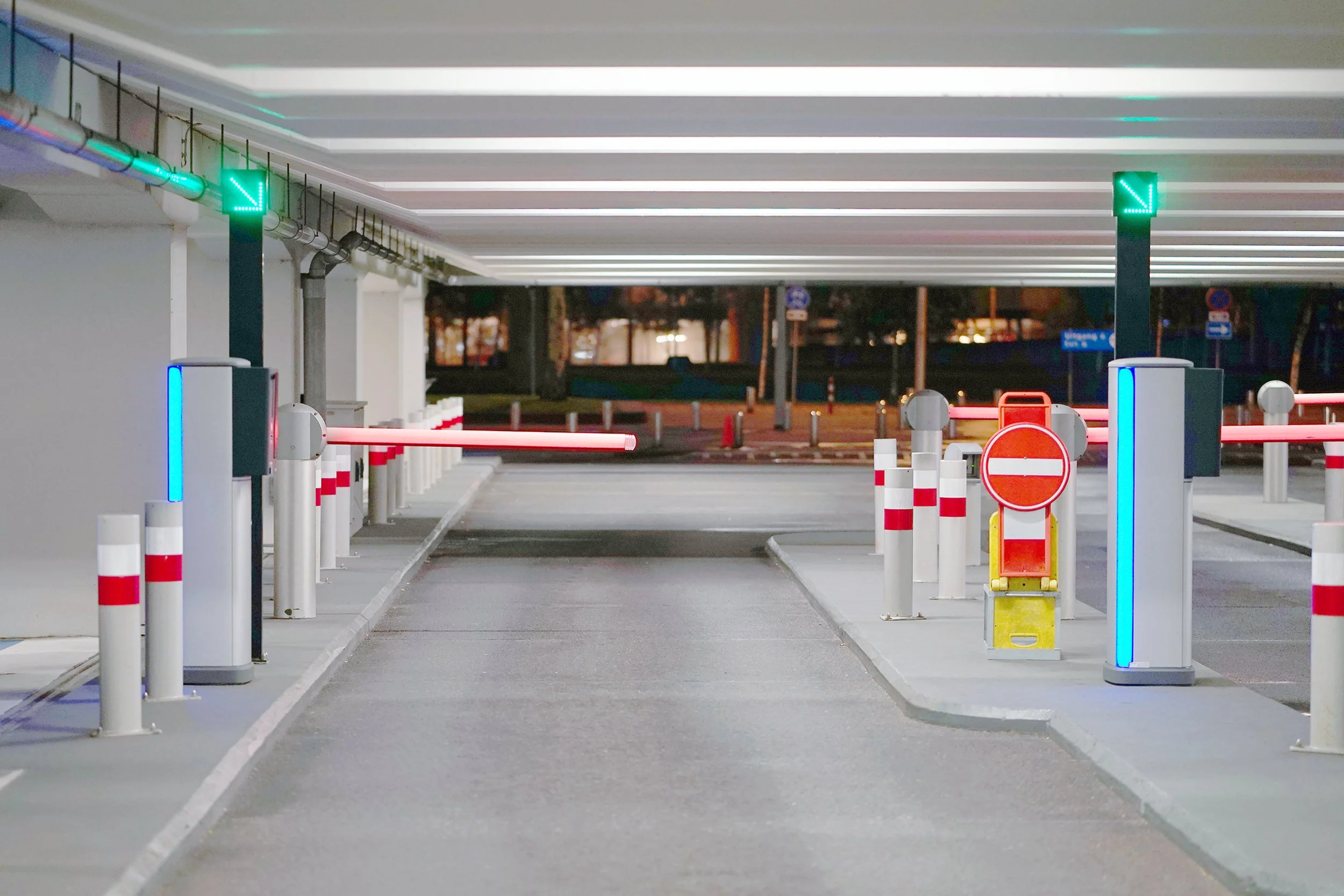
A vehicle approaches a parking garage. The system confirms that it is linked to a valid permit and opens the gate, allowing the driver to enter without presenting a ticket, access card or phone. The entry also creates a record that, when connected with payment and occupancy data, helps operators understand how the facility is being used.
This illustrates two foundations of smart parking operations: automation carries out defined tasks, while integration connects systems so they can share information. Artificial intelligence (AI) builds on these capabilities by interpreting the data those systems generate. It can help operators identify patterns, anticipate demand and make informed decisions about their facilities. Where configured, AI can also trigger actions within parameters set by the operator.
For parking operators, the value of AI depends on how it supports day-to-day decisions. Understanding where it can improve efficiency, reliability and service—and what data and oversight it needs—is essential to putting it to work.
How does AI Fit in Modern Parking Operations?
Many parking facilities already have technology AI integrations depend on. Payment systems record transactions, access controls track vehicle movements, and occupancy sensors monitor how parking spaces are being used every day. In an integrated operation, equipment connects to software, software connects to systems and data, and that information reaches the people managing the facility. AI builds on these connections by analyzing information across systems rather than treating each system separately.
Automation and AI play different roles. Automation follows rules: a valid permit opens the gate, and a completed payment updates the revenue record. AI interprets: it identifies patterns, forecasts demand and recommends or applies a response. Automation then carries that response out across the system.
AI also needs direction. Just as no two parking environments are set up the same way, the role AI plays is determined by the needs of the operation it supports. A hospitals need reliable access for multiple user groups around the clock, while commercial properties often prioritize the tenant experience and revenue performance. Each application should work toward an objective defined by operator needs, such as availability for a specific user group or a revenue target, and stay within set boundaries, such as approved rate ranges or spaces reserved for permit holders. Operators also decide whether AI acts on its own or recommends changes for approval.
Turning Parking Data into Better Decisions
Smart parking hardware—including cameras, access gates, sensors and pay stations—captures data about vehicle activity, occupancy and payments. Connecting these systems brings that information together. AI adds another layer by analysing the data to identify patterns, flag unusual activity and forecast demand.
Standard reports show operators what happened: how many vehicles entered, when occupancy peaked and how much revenue the facility generated. AI can help teams interpret those results and anticipate what may happen next. For example, occupancy sensors show how full a facility is now; AI can analyse that information alongside historical arrivals and departures to forecast when demand is likely to peak.
Operators can use these insights to adjust staffing, space allocation and pricing. Demand forecasts help teams prepare for busy periods, while recurring low occupancy can inform promotions or rate changes. AI can also analyse equipment data for signs of developing faults, helping maintenance teams prioritize work before disruptions affect service or revenue. Smart hardware supplies the operational data; AI helps operators use it to make timely, informed decisions.
Over time, tracking the results of those decisions helps teams understand which changes improve efficiency and revenue performance. With consistent data and regular oversight, this can support more accurate planning and better-informed investments in equipment, capacity and service—improvements that also shape the experience drivers have at the facility.
Creating a Better Parking Experience
AI can help improve the driver experience by turning parking data into information operators can act on. By identifying patterns in arrivals, occupancy and equipment performance, it can help teams anticipate where delays or disruptions may occur and take steps to reduce them.
For example, AI can use historical parking activity and upcoming event schedules to forecast busy periods. Operators can use those forecasts to adjust staffing, open overflow areas and notify permit holders about expected demand, helping drivers arrive prepared and spend less time queuing or searching for a space. AI can also flag unusual equipment activity that may indicate a developing fault, giving maintenance teams an opportunity to address it before a gate or pay station stops working.
When drivers need help, AI-powered chatbots can use facility information to answer common questions about rates, access and payment at any time. Questions that require further assistance can be directed to a support team.
For drivers, the value is practical: better information before they arrive, fewer disruptions while they park and easier access to help when they need it.
Taking a Proactive Approach to Parking Operations
AI can help parking operators anticipate what their facility needs, from equipment maintenance to staffing and enforcement coverage. By analysing data from connected systems, it can highlight developing problems and recurring demands, giving teams more time to plan their response.
For maintenance, this means looking beyond equipment failure alerts to identify earlier signs of trouble. Changes in gate operating speed, payment errors or connectivity may indicate a developing fault. AI can flag these patterns so teams can investigate, schedule work during quieter periods and prepare parts or alternative access arrangements. When a breakdown does occur, having that information and a response plan can help reduce disruption for drivers and the burden on staff.
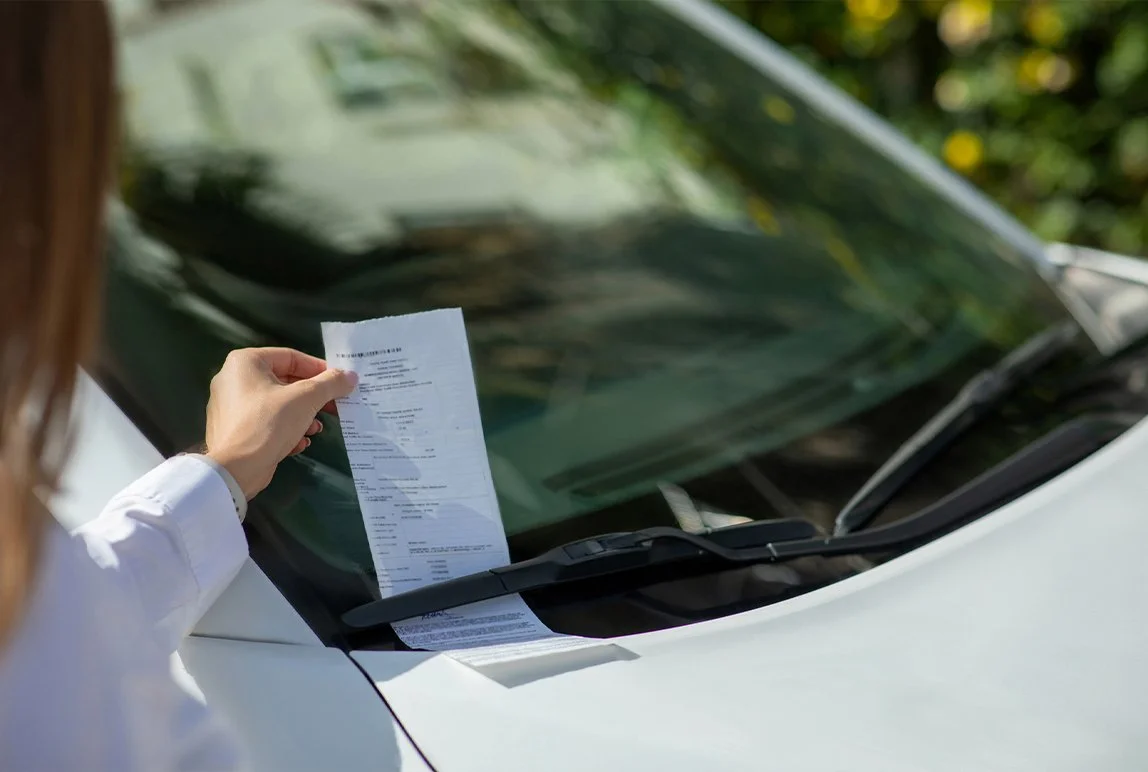
The same approach supports day-to-day planning. Patterns in arrivals, occupancy and support requests can help operators anticipate when additional staff or assistance may be needed. In enforcement, analysing where and when violations recur can inform patrol schedules, while repeated permit-related issues may point to unclear instructions or a need to review the permit program.
Over time, these insights help operators address recurring causes, plan resources around their facility’s needs and reduce the amount of work handled as an urgent response.
The Future of Smarter Parking Operations
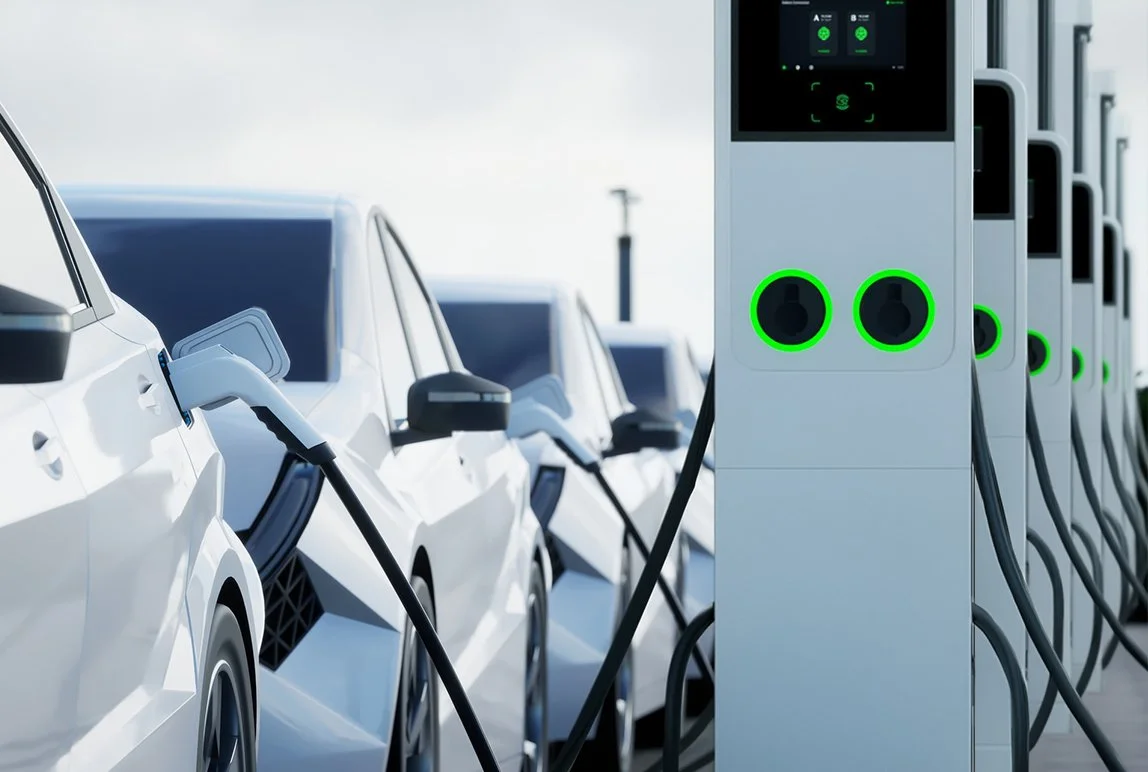
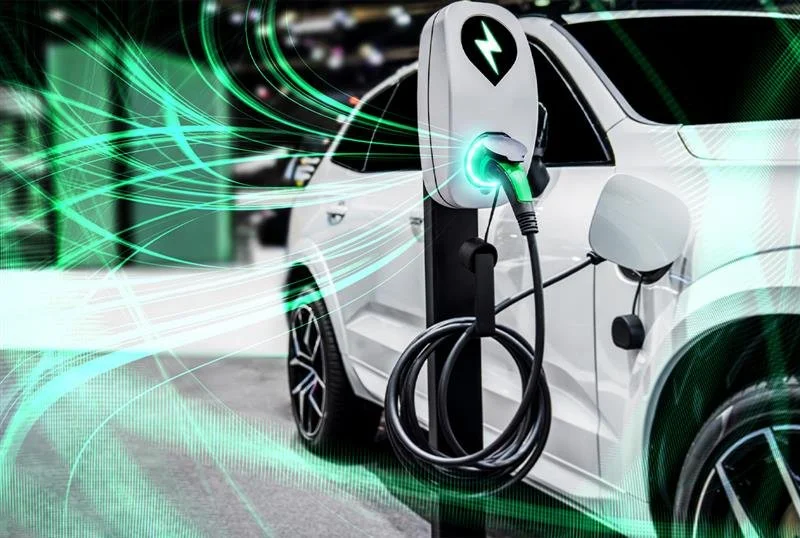
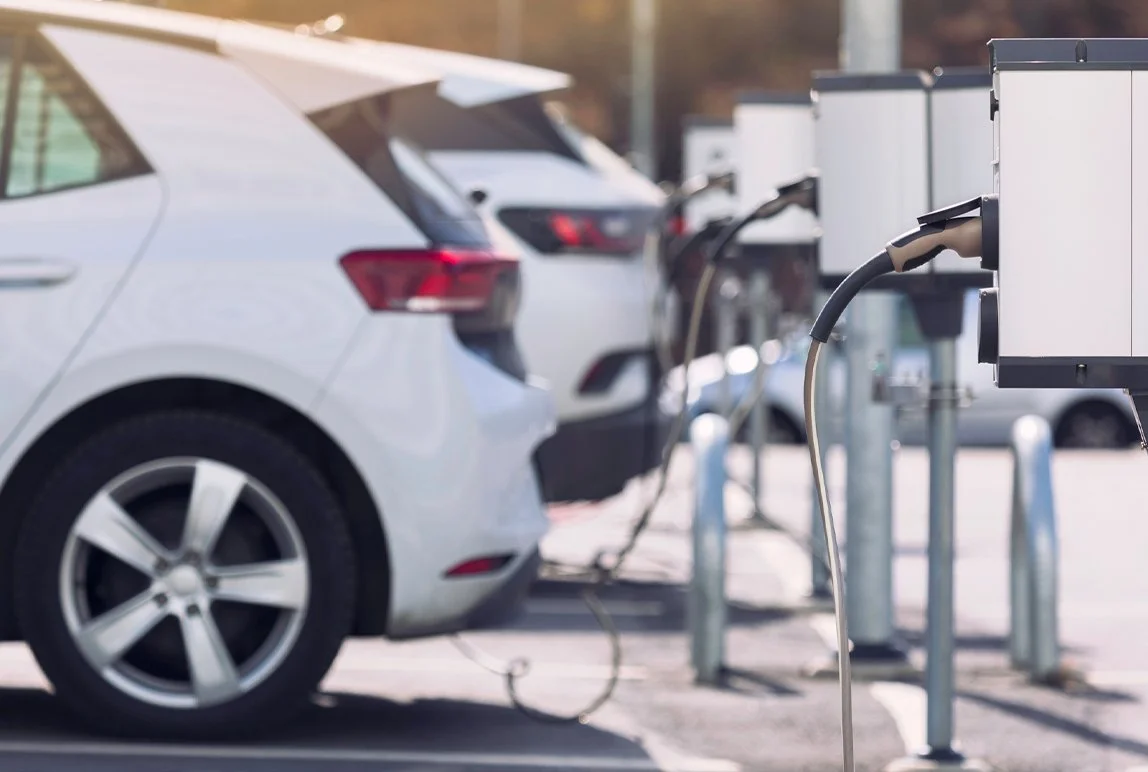
As parking systems become more connected, AI can help operators plan across the facility. Insights drawn from access, occupancy and payment data can inform decisions about staffing, pricing and maintenance together. As services such as EV charging and reservations expand, understanding how drivers use them can also help operators anticipate changing demands on space, equipment and support.
Turning those insights into improvements takes operational experience. People set the priorities, assess recommendations and decide when action is appropriate. Reliable data and clear parameters give AI a useful role in that process, helping teams prepare for busy periods, investigate developing faults and direct resources where they can have the greatest impact.
The long-term value is an operation that becomes better informed with every decision. By tracking results and refining their approach, operators can reduce recurring problems, strengthen revenue performance and plan investments around their facility’s needs. For drivers, that means more reliable service and fewer disruptions. For operators, it means less time managing avoidable problems and more capacity to improve the business.
References
Li, J., Dong, Y., Wang, Q., & Liu, C. (2024). Proactive pricing strategies for on-street parking management with physics-informed neural networks. International Journal of Strategic Property Management. https://journals.vilniustech.lt/index.php/IJSPM/article/view/22233
Luo, W. (2024). Dynamic parking pricing using transaction data [Master’s thesis, York University]. YorkSpace. https://hdl.handle.net/10315/42517
Precise Parklink. (2026, September 23). Why should parking technology and management be linked? https://preciseparklink.com/news/why-should-parking-technology-and-management-be-linked
Share Article:
Featured Articles








ABOUT THE AUTHOR

Andrew Sgorlon
Technical Sales Support Manager
Andrew has more than 17 years of experience with automated parking solutions, being involved with the fist automated PARCS installed by Precise ParkLink in 2000. Andrew is one of Precise ParkLnk’s SMEs on all Precise ParkLink products and services. As the Greater Toronto Airports Authority’s (GTAA) Senior Account Manager (since 2011), Andrew has been instrumental in Precise ParkLink’s on-going operational support at Toronto Pearson. In this capacity, he supports Precise ParkLink’s onsite staff and is the sales/equipment representative at all GTAA parking operations meetings. Andrew is also the lead account manager for University of Toronto, Centennial College, and Durham College. Technology and automation are Andrew's work passion; he continuously looks for ways to improve and evolve the PARCS industry.

Questions?
Fill out the form below and we will do our best to connect you with a suitable contact.